The Roman Space Telescope Will Find Ancient Black Holes By Watching How They Eat Stars
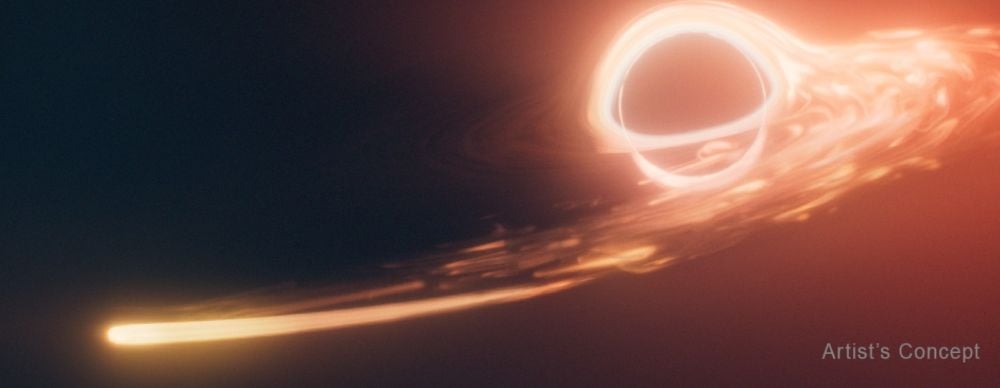
When supermassive black holes (SMBH) in a certain mass range eat a star, they first tear it apart in a Tidal Disruption Event (TDE). By detecting TDE across cosmic time, astronomers can chart the growth of SMBH as the Universe aged. The Nancy Grace Roman Space Telescope will help, by finding about 100 TDEs every year.
Universe Today
Go to Source


Comments are closed, but trackbacks and pingbacks are open.