Spacecraft Heat Shields Could Violently “Burst” When Plunging Into Alien Atmospheres
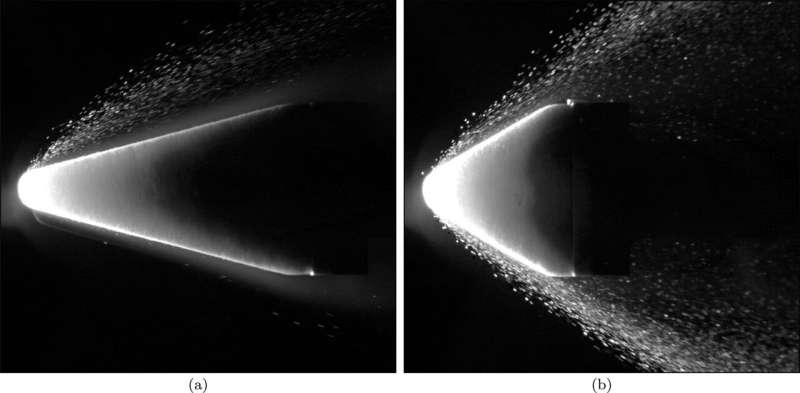
Heat shield design is one of the most critical aspects of missions that plan to either land on a planet’s (or moon’s) surface or return to our own. Spacecraft that have to survive the fiery, hypersonic plunge through an atmosphere require these systems. For decades, heat shields have been designed to slowly burn away in a process called ablation, which is intended to dissipate the incredible thermal energy or reentry. But, there’s another, less understood phenomenon that affects them too – spallation, where a heat shield sheds material in violent, unpredictable “bursts”. This second mode of destruction seems to be particularly prevalent in oxygen-deprived atmospheres, like that of Titan, where the Dragonfly helicopter plans to land in the not too distant future. A new paper published in Carbon from researchers at the University of Illinois Urbana-Champaign (UIUC) performed some tests showing just how different those heat shields might need to be.
Universe Today
Go to Source


Comments are closed, but trackbacks and pingbacks are open.