Scientists Publish the First Direct Measurement of Space Debris Pollution
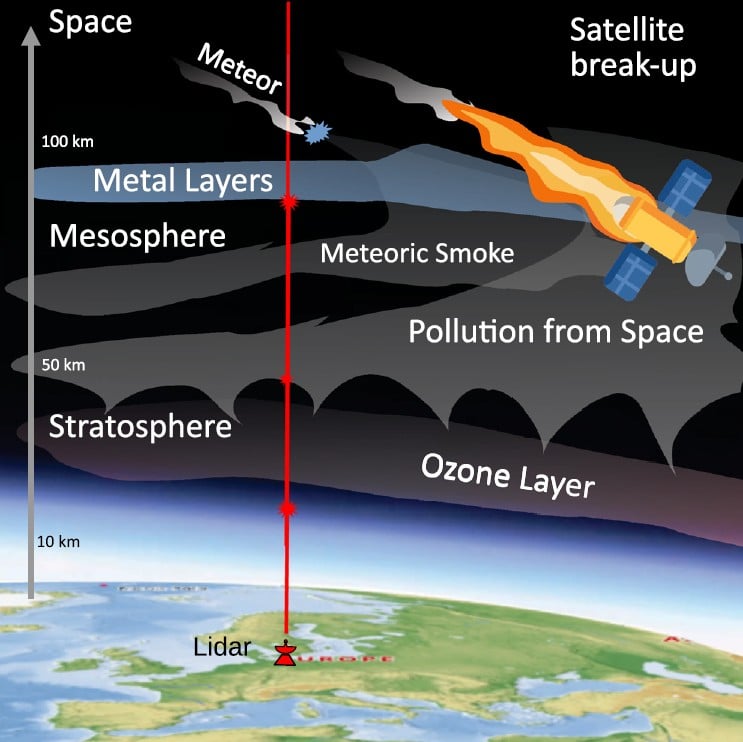
Back in February 2025, a SpaceX rocket that had delivered 22 Starlink satellites to orbit had a malfunction. It failed to execute a planned deorbit burn and drifted for 18 days in orbit before beginning an uncontrolled descent about 100km off the west coast of Ireland. Some parts of the rocket landed in Poland, and while they didn’t injure anybody, there was enough concern about the lack of communication that Poland dismissed the head of its space agency. But that wasn’t the only lasting impact of this failure. A new paper from Robin Wing and her colleagues at the Leibniz Institute for Atmospheric Physics, published in Communications Earth & Environment ties that specific rocket reentry to a massive plume of pollution for the first time.
Universe Today
Go to Source


Comments are closed, but trackbacks and pingbacks are open.