Scientists Are Still Trying To Understand How the Moon Formed
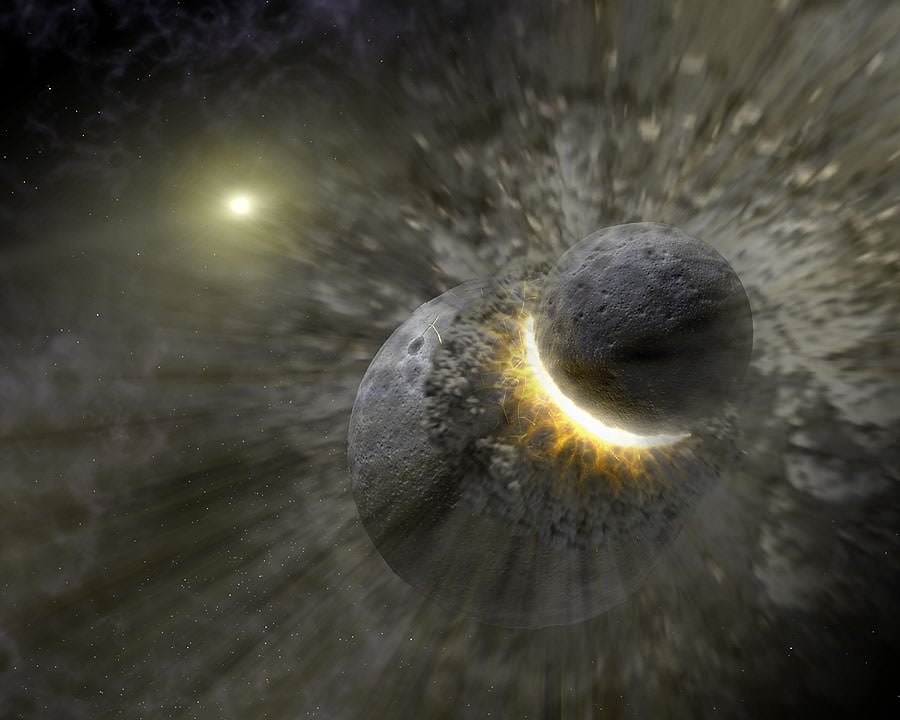
The Earth and the Moon have nearly identical isotopic compositions, and the Giant Impact Hypothesis strives to explain this. New research into the ancient impact shows how the temperature of both worlds, and how it affects the strength of the materials involved in the collision, shaped the outcome, including the isotopic compositions.
Universe Today
Go to Source


Comments are closed, but trackbacks and pingbacks are open.