NASA Wants to Float Microscopic ‘Tracers’ on Sunlight to Map the Edge of Space
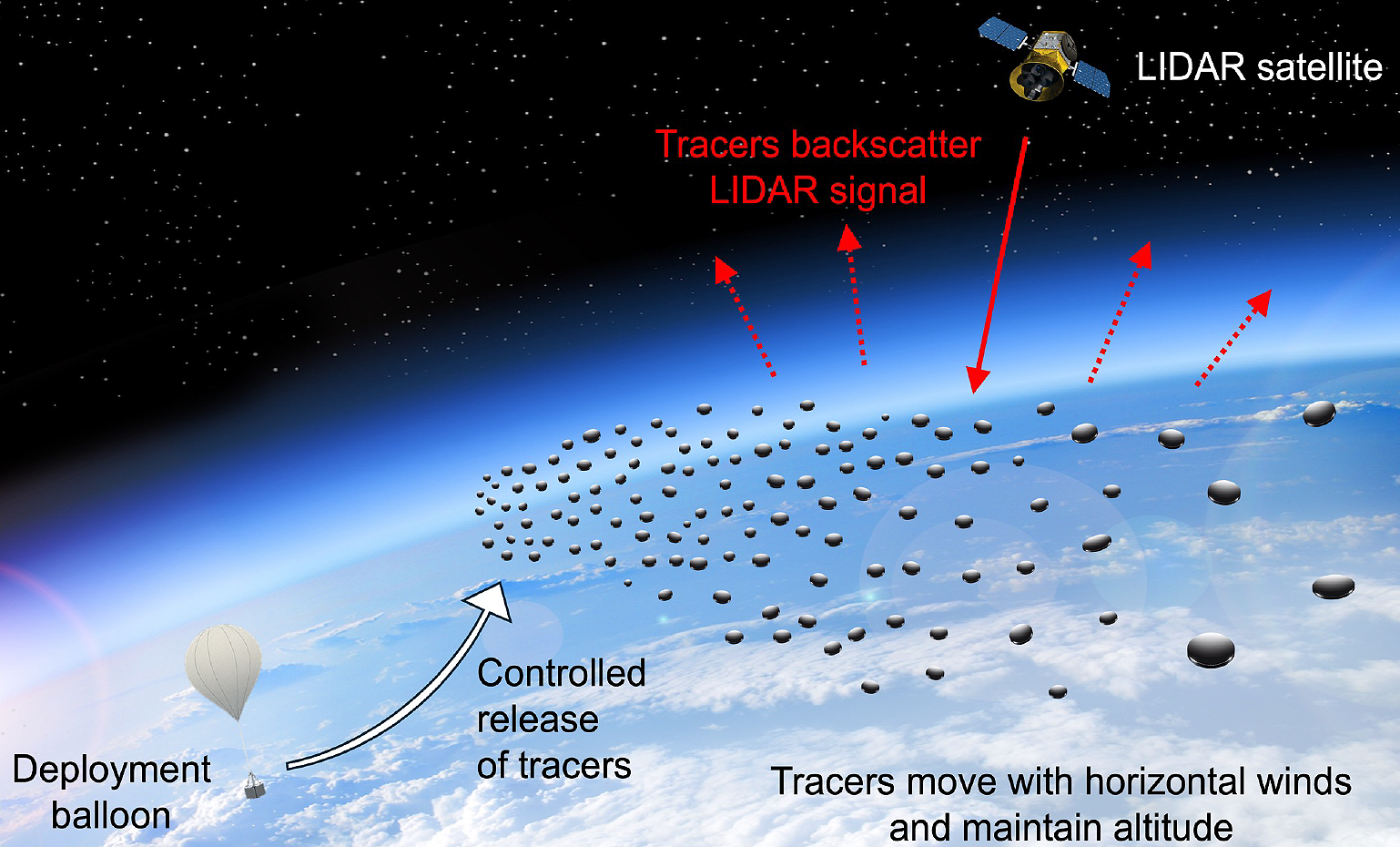
The atmospheric is a dynamic place, and just how well we understand that dynamism depends on what part of the atmosphere it is. Low altitudes can be reached by traditional balloons, with full suites of sensing equipment. Higher reaches are the domain of satellites, with their zippy orbits allowing them to travel through the less dense regions. But there a section scientists call the “ignorosphere”, between 30-100 kilometers up that still plays a major role in global climate dynamics, but which are only able to reach with temporary sounding rockets that only collect data for a few minutes before falling back to Earth. But a new technology from Benjamin Schafer of Rarefied Technologies that received a NASA Institute for Advanced Concepts (NIAC) grant hopes to solve that problem by inserting a fleet of sensors that can float in that area for months, while providing insight to these hard-to-capture long-term patterns that influence weather everywhere on the globe.
Universe Today
Go to Source


Comments are closed, but trackbacks and pingbacks are open.