What Can We Actually Find on an Exoplanet? Part 3: Reading the Face of a Planet
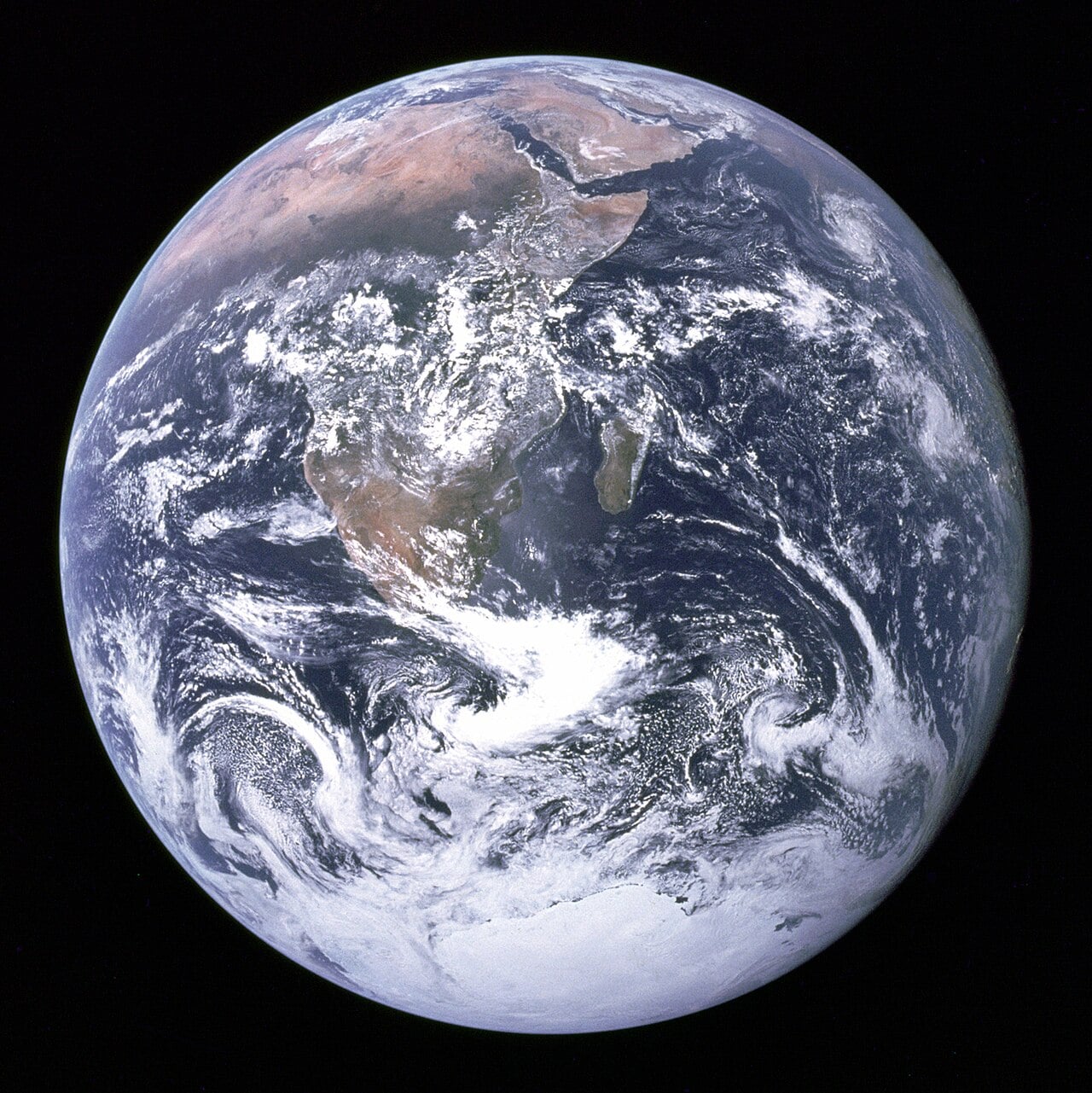
A single pixel of light holds astonishing detail. How ocean glint, rotational mapping, and the vegetation red edge let us read a distant planet’s oceans, continents, and even forests, all without ever resolving it as more than a point.
Universe Today
Go to Source


Comments are closed, but trackbacks and pingbacks are open.