Two New Exoplanets And The Need For New Habitable Zone Definitions
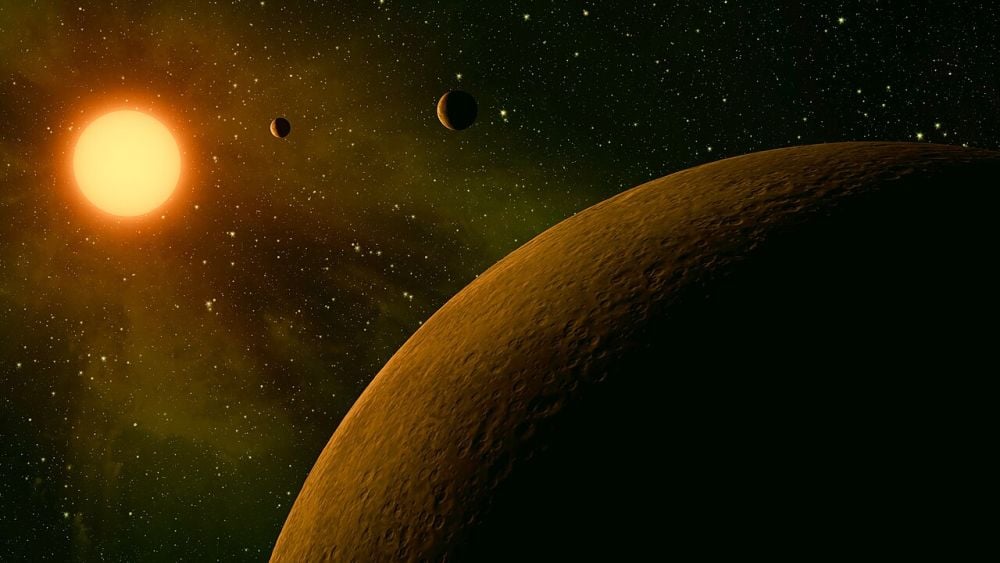
This artist's illustration shows the exoplanets that orbit the small red dwarf Kepler-42. Second from the star is Kepler-42b, a rocky exoplanet about the size of Mars. Researchers are refining their search for habitable planets by developing the idea of temperate zone exoplanets. They're planets like Kepler-42b, that are both easily detected with the transit method, and are at the right distance for potential habitability as well as atmospheric characterization by the JWST. Image Credit: By NASA/JPL-Caltech - http://www.nasa.gov/mission_pages/kepler/multimedia/images/mini-planetary-system.html, Public Domain, https://commons.wikimedia.org/w/index.php?curid=18013575

How solid is our understanding of exoplanet habitability? Are the ideas of an Optimistic Habitable Zone and a Conservative Habitable Zone sufficient to advance our understanding? New research introduces an expanded exoplanet ‘temperate zone,’ highlighting planets that are amenable to atmospheric study by the JWST.

Universe Today
Go to Source