Plutonium in Earth Rocks Signals Long-ago Cosmic Collision
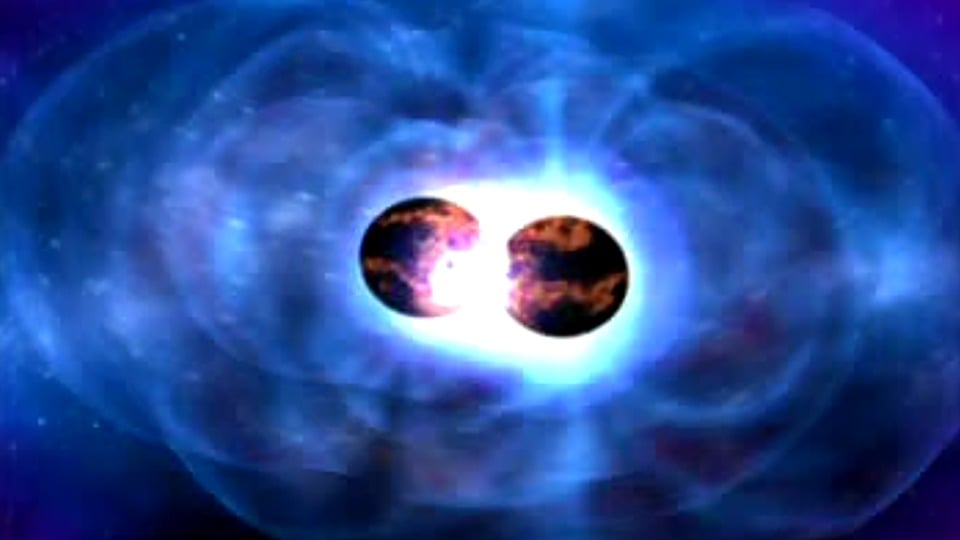
A small lump of rock pulled up from the Pacific Ocean seafloor in 1976 is giving scientists new clues about an ancient cosmic event. More than a hundred million years ago, two neutron stars collided. The resulting energetic kilonova sent a rain of long-lived elements, such as isotopes of plutonium, through space. Eventually, this stellar “debris” settled onto Earth. Some sank to the bottom of the ocean and got incorporated into a chunk of ferromanganese rock. Hidden inside were a few hundred atoms of plutonium radioisotopes. They provide the strongest clues about what created them in the merger and how long ago it happened.
Universe Today
Go to Source

