The universe is not only expanding – it is accelerating outward, driven by what is commonly referred to as “dark energy.” The term is a poetic analogy to label for dark matter, the mysterious material that dominates the matter in the universe and that really is dark because it does not radiate light (it reveals itself via its gravitational influence on galaxies). Two explanations are commonly advanced to explain dark energy. The first, as Einstein once speculated, is that gravity itself causes objects to repel one another when they are far enough apart (he added this “cosmological constant” term to his equations). The second explanationRead More →
The Discussion: You’d be forgiven for thinking we recorded this episode drunk – but we assure you, we weren’t. And you’ll have to forgive us for our crappy audio and shameless national stereotyping! But in this show, recorded from our dark sky star party in the Welsh Brecon Beacons, we discuss the event, Jeni’s talk on exoplanet research and we take a look at listeners’ emails.   The News: Rounding up the space and astronomy news this month we have: A fresh look at the age and high metallicity of an observable star cluster Australia takes the plunge and announces the creation of its ownRead More →

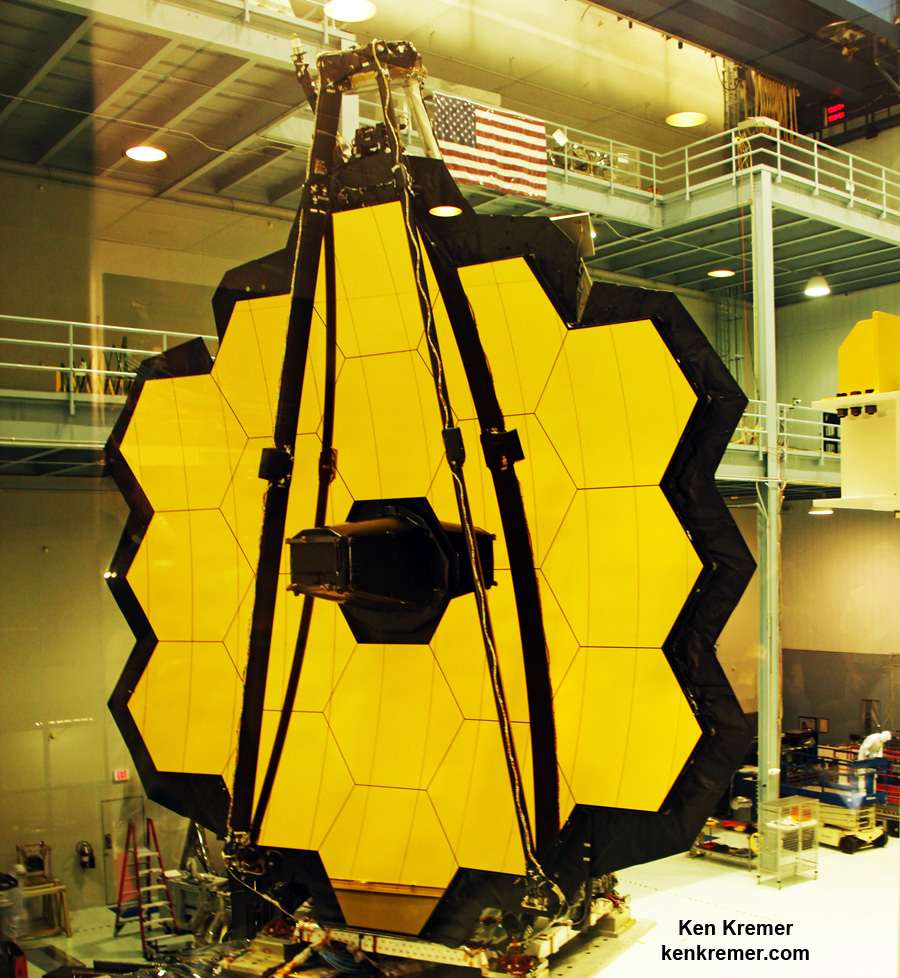
NASA’s Webb Space Telescope Launch Delayed to 2019 The 18-segment gold coated primary mirror of NASA’s James Webb Space Telescope is raised into vertical alignment in the largest clean room at the agency’s Goddard Space Flight Center in Greenbelt, Maryland, on Nov. 2, 2016. The secondary mirror mount booms are folded down into stowed for launch configuration. Credit: Ken Kremer/kenkremer.com The most powerful space telescope ever built will have to wait on the ground for a few more months into 2019 before launching to the High Frontier and looking back nearly to the beginning of time and unraveling untold astronomical secrets on how the earlyRead More →

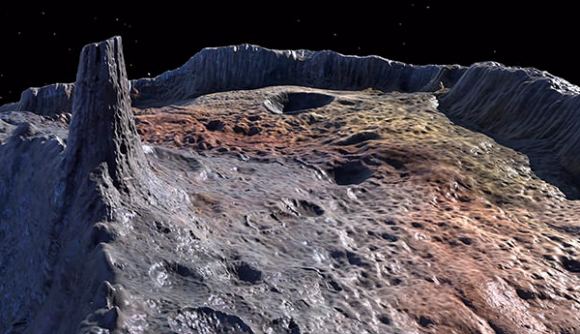
Mission to Metal World Takes a Big Step Forward with Thruster Test As NASA sets its sight on the next generation of space exploration, one area of focus is on missions that can teach us more about our Solar System. This was a major priority during the thirteenth round of NASA’s Discovery Program, which put out the call for proposals back in February of 2014. One of the proposals to make the cut was the Psyche mission, which will send an orbiter to the asteroid of the same name in 2o22. This mission is unique in that it will entail visiting an asteroid that isRead More →

What to look out, and up, for in October. Jeni, Paul & Ralph pick their highlights for this month’s skies; starting with the solar system objects on offer to observers and imagers: Blue/green ice giant Uranus The Orionids meteor shower brings us the debris from Comet Halley Saturn, recently liberated from the perpetual gaze of Cassini A not-to-be-missed conjunction of Venus and Mars on 5th October. Finally, a couple of comets that may be visible Next up, we take a deep sky pick from our list of favourites for this time of year: Paul – Spiral Galaxy NGC772 in Aries. Jeni – Brocchi’s Cluster or The Coathanger Cluster inRead More →

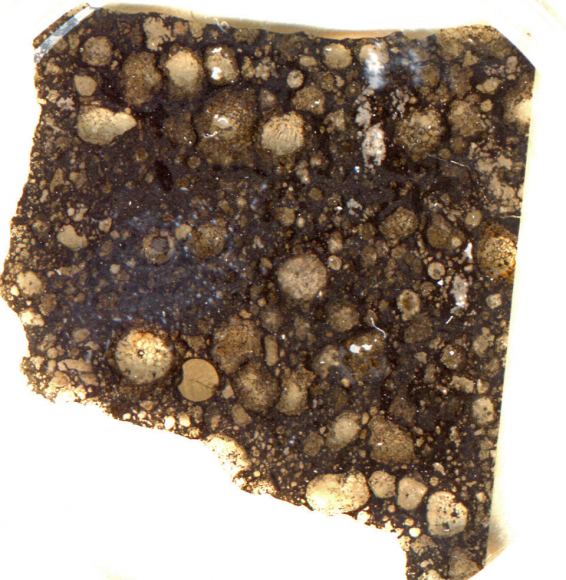
New Study Says Earth Avoided a “Carbon Overdose” During Formation According to the Nebular Hypothesis, the Sun and planets formed 4.6 billion years ago from a giant cloud of dust and gas. This began with the Sun forming in the center, and the remaining material forming a protoplanetary disc, from which the planets formed. Whereas the planets in the outer Solar System were largely made up of gases (i.e. the Gas Giants), those closer to the Sun formed from silicate minerals and metals (i.e. the terrestrial planets). Despite having a pretty good idea of how this all came about, the question of exactly how theRead More →

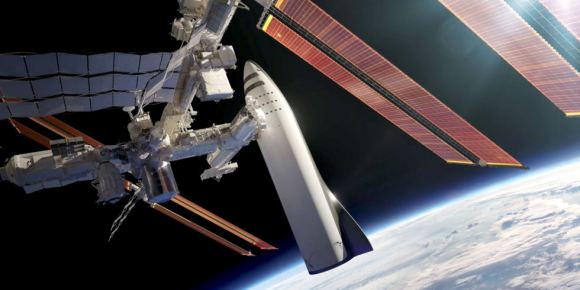
Elon Musk Reveals Further Plans to Colonize Mars and Make Aerospace Transit a Reality For years, Elon Musk and the company he founded to reduce the associated costs of space exploration (SpaceX) have been leading the charge in the development of private spaceflight. Beyond capturing the attention of the world with reusable rocket tests and the development of next-generation space vehicles, Musk has also garnered a lot of attention for his long-term plans. These plans were the subject of a presentation made on Friday, September 29th, during the International Astronautical Congress (IAC) – which ran from September 25th to September 29th in Adelaide, Australia. DuringRead More →

The element carbon and its compounds form the basics for life on Earth. Short-duration flash-heating events in the solar nebula prior to the formation of planets in our solar system were responsible for supplying the Earth with a presumably ideal amount of carbon for life and evolution. This shows a carbon chemistry model developed by Heidelberg University researchers. The research findings of Prof. Dr Hans-Peter Gail of the Centre for Astronomy and Prof. Dr Mario Trieloff of the Klaus Tschira Laboratory for Cosmochemistry at the Institute of Earth Sciences were recently published in the journal Astronomy & Astrophysics. Powered by WPeMaticoRead More →

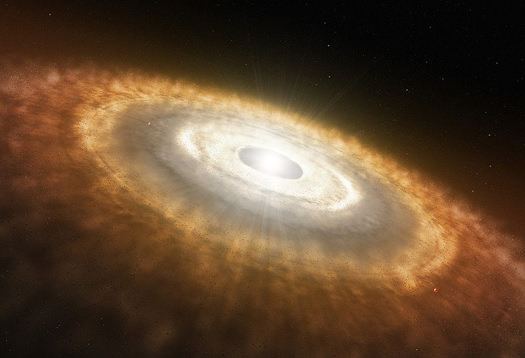
The MATISSE instrument is ready to be sent to Chile, where in the next few weeks it will be installed on the Very Large Telescope (VLT), the world’s most powerful astronomical observatory. This achievement is the outcome of fifteen years of development, including a final year of testing at the Laboratoire J.-L. Lagrange (Observatoire Côte d’Azur/CNRS/Université de Nice Sophia-Antipolis). The instrument, for which France is responsible under the auspices of the European Southern Observatory (ESO), is international in scope. By observing the protoplanetary disks that surround young stars, the MATISSE project should improve our understanding of the formation of the Earth and of planets inRead More →

New Study Sheds Light on How Earth and Mars Formed In accordance with the Nebular Hypothesis, the Solar System is believed to have formed through the process of accretion. Essentially, this began when a massive cloud of dust and gas (aka. the Solar Nebula) experienced a gravitational collapse at its center, giving birth to the Sun. The remaining dust and gas then formed into a protoplanetary disc around the Sun, which gradually coalesced to form the planets. However, much about the process of how planets evolved to become distinct in their compositions has remained a mystery. Luckily, a new study by a team of researchersRead More →

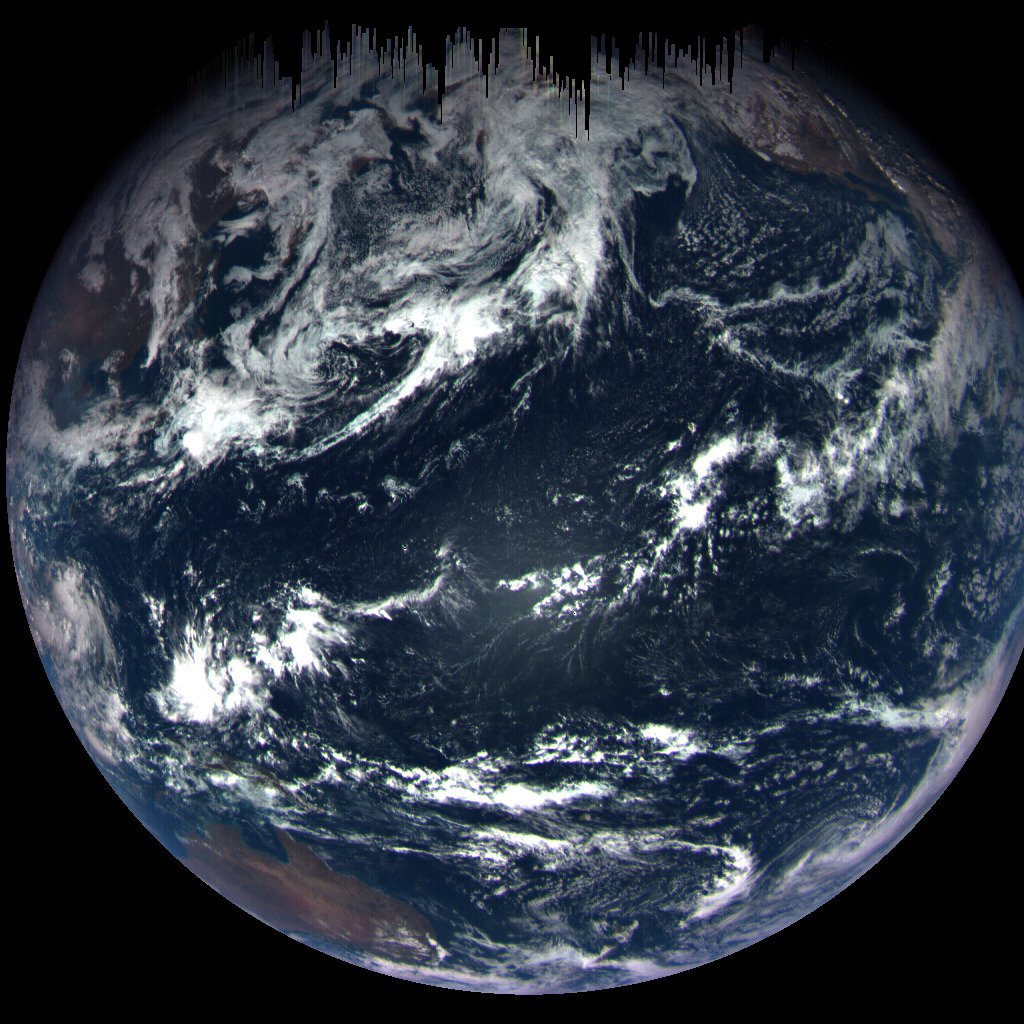
NASA’s OSIRIS-REx Captures Lovely Blue Marble during Gravity Assist Swing-by to Asteroid Bennu A color composite image of Earth taken on Sept. 22, 2017 by the MapCam camera on NASA’s OSIRIS-REx spacecraft just hours after the spacecraft completed its Earth Gravity Assist at a range of approximately 106,000 miles (170,000 kilometers). Credit: NASA/Goddard/University of Arizona KENNEDY SPACE CENTER, FL – NASA’s OSIRIS-REx asteroid mission captured a lovely ‘Blue Marble’ image of our Home Planet during last Fridays (Sept. 22) successful gravity assist swing-by sending the probe hurtling towards asteroid Bennu for a rendezvous next August on a round trip journey to snatch pristine soil samples.Read More →

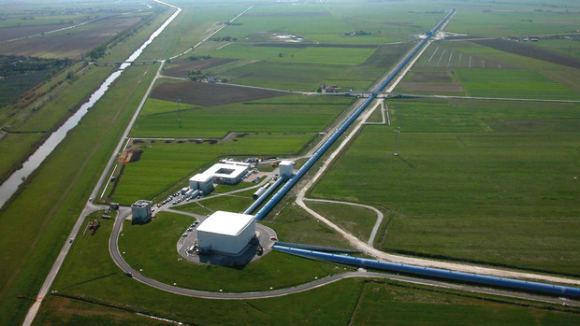
LIGO and Virgo Observatories Detect Black Holes Colliding On February 11th, 2016, scientists at the Laser Interferometer Gravitational-wave Observatory (LIGO) announced the first detection of gravitational waves. This development, which confirmed a prediction made by Einstein’s Theory of General Relativity a century ago, has opened up new avenues of research for cosmologists and astrophysicists. Since that time, more detections have been made, all of which were said to be the result of black holes merging. The latest detection took place on August 14th, 2017, when three observatories – the Advanced LIGO and the Advanced Virgo detectors – simultaneously detected the gravitational waves created by mergingRead More →

An international team of researchers has successfully used a supercomputer simulation to recreate the formation of a massive black hole from supersonic gas streams left over from the Big Bang. Their study, published in this week’s Science, shows this black hole could be the source of the birth and development of the largest and oldest super-massive black holes recorded in our universe. Powered by WPeMaticoRead More →

Hey Citizen Scientists! Help NASA Analyze Images Taken from the Space Station Calling all citizen scientists, geography buffs, fans of the International Space Station and those who love that orbital perspective! CosmoQuest has a brand new project in coordination with NASA and the Astronomical Society of the Pacific (ASP) where you can help identify features in photographs taken by astronauts from the space station. The project is called Image Detective. I’ve tried it out, and wow, THIS is a lot of fun! Now, I absolutely love seeing the images taken of Earth from the ISS, and I routinely follow all the astronauts on board onRead More →

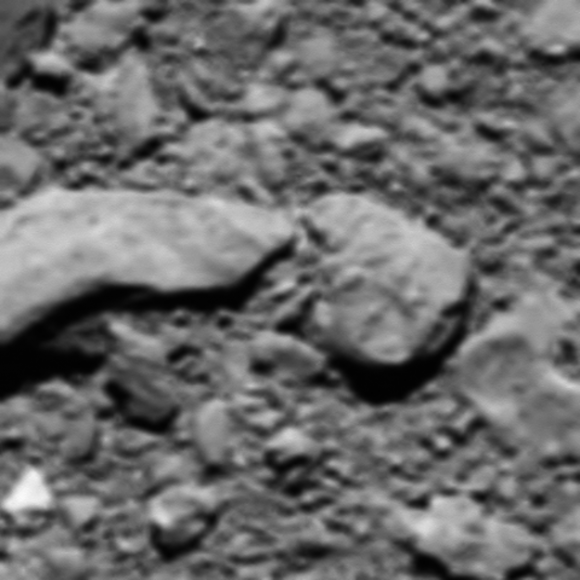
Rosetta Team Finds New, Final Image Hiding in the Data ESA scientists have found one additional image from the Rosetta spacecraft hiding in the telemetry. This new image was found in the last bits of data sent by Rosetta immediately before it shut down on the surface of Comet 67P/Churyumov–Gerasimenko last year. The new image shows a close-up shot of the rocky, pebbly surface of the comet, and looks somewhat reminiscent of the views the Huygens lander took of the surface of Saturn’s moon Titan. A final image from Rosetta, shortly before it made a controlled impact onto Comet 67P/Churyumov–Gerasimenko on 30 September 2016. Credit:Read More →

This oddly-shaped galactic spectacle is bursting with brand new stars. The pink fireworks in this image taken with the NASA/ESA Hubble Space Telescope are regions of intense star formation, triggered by a cosmic-scale collision. The huge galaxy in this image, NGC 4490, has a smaller galaxy in its gravitational grip and is feeling the strain. Powered by WPeMaticoRead More →

Researchers from the University of Bern, using an observatory on board a jumbo jet, have observed how the extrasolar Planet GJ 1214b is passing in front of its star, causing a kind of mini-eclipse. The first measurements of this kind with the observatory called SOFIA (short for Stratospheric Observatory for Infra-red Astronomy) prove that the flying observatory is well-suited to the observation of exoplanets. Powered by WPeMaticoRead More →

Weekly Space Hangout -Sept 27, 2017: Dr. Jason Schneiderman of NASA’s HERA Mission Hosts: Fraser Cain (universetoday.com / @fcain) Dr. Paul M. Sutter (pmsutter.com / @PaulMattSutter) Dr. Kimberly Cartier ( KimberlyCartier.org / @AstroKimCartier ) Dr. Morgan Rehnberg (MorganRehnberg.com / @MorganRehnberg ChartYourWorld.org) Special Guest: This week’s special guest is Dr. Jason Schneiderman, a neuroscientist focused on the effects of spaceflight including microgravity, isolation, confinement, and stress on the brain and behavior. He’s currently working on HERA Mission with simulated asteroid retrieval.https://www.nasa.gov/analogs/hera Announcements: If you would like to join the Weekly Space Hangout Crew, visit their site here and sign up. They’re a great team who canRead More →

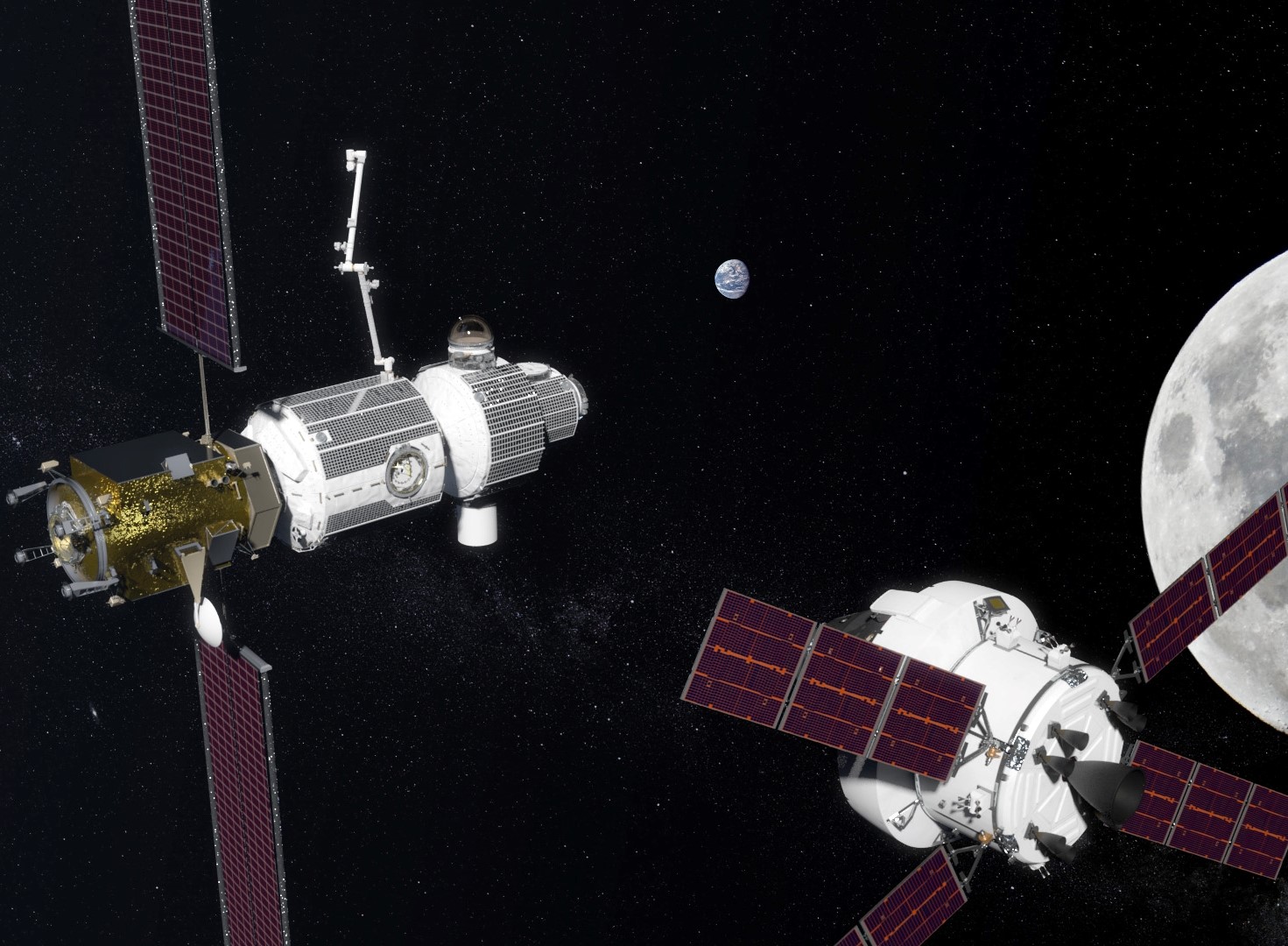
Russia Says They’ll Be Pitching in on the Deep Space Gateway In Spring of 2017, NASA revealed their plans for what the massive Space Launch System (SLS) rocket would be used for: to build the Deep Space Gateway, a space station in cis-lunar orbit that’ll serve as a stepping stone to the exploration of the Solar System. Until today, it was assumed that this would be a NASA project, with the agency constructing the station over the course of several launches of the SLS from 2021 through 2026, delivering the 4 major modules. The details were hazy, though, with the various components in development withRead More →