Astronomers are Hunting Down the Elusive Population III Stars
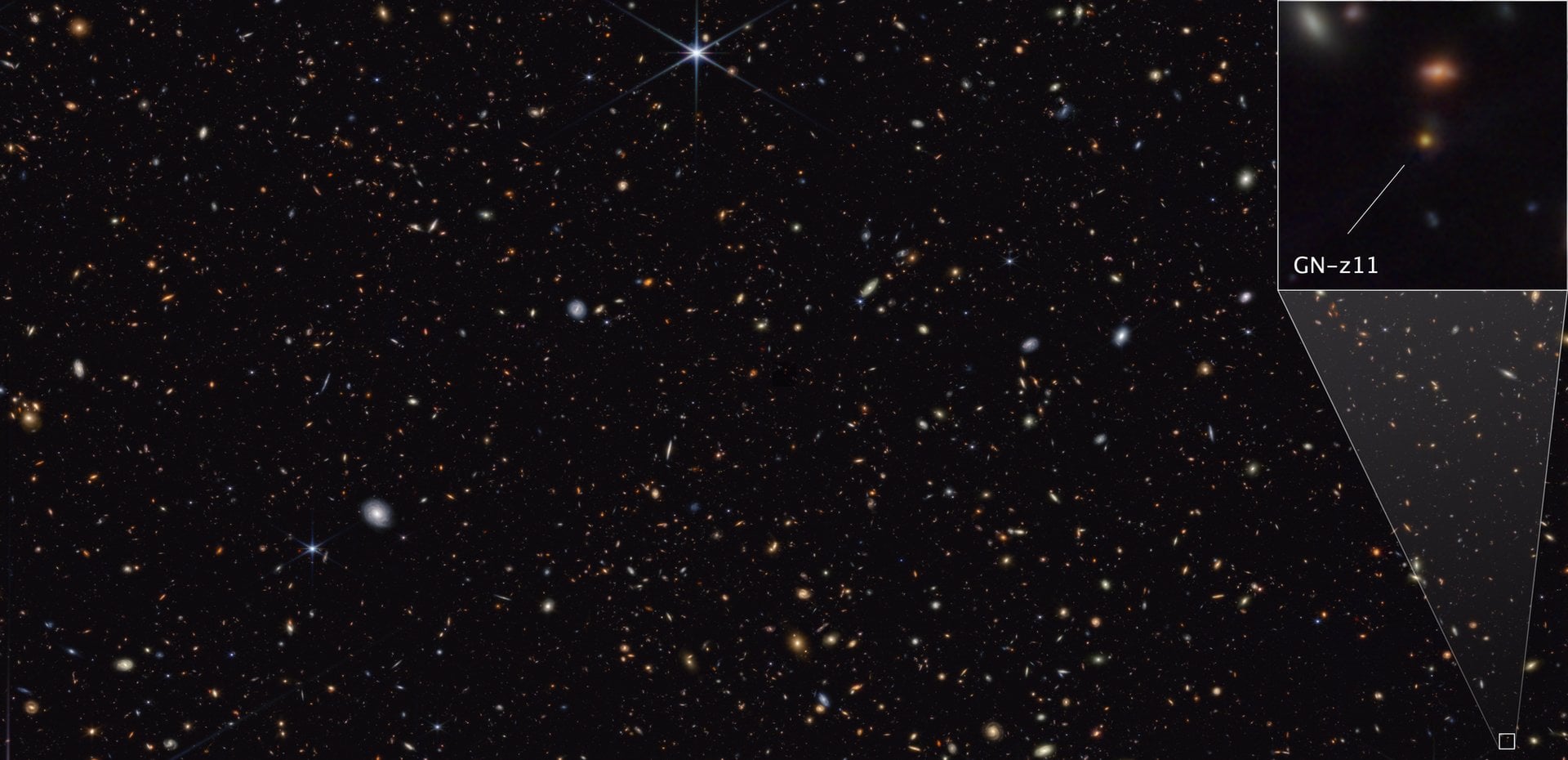
It’s hard hunting down the oldest stars in the universe. These behemoths, known as Population (or Pop) III stars, are a missing link in cosmology between the primordial soup that was the early universe and the complex, “metal”-rich cosmos we’re familiar with today. But we’re slowly getting a better idea of where to look for them, and a new paper available in pre-print on arXiv from Alessandra Venditti of the University of Texas at Austin and her co-authors, highlights some of the recent advances and potential new surveying techniques that could eventually help us definitively find these massive, bright, early sparks in the universe.
Universe Today
Go to Source


Comments are closed, but trackbacks and pingbacks are open.