Astrobiologist Uses Apollo Lunar Samples As Mirror Onto Early Earth
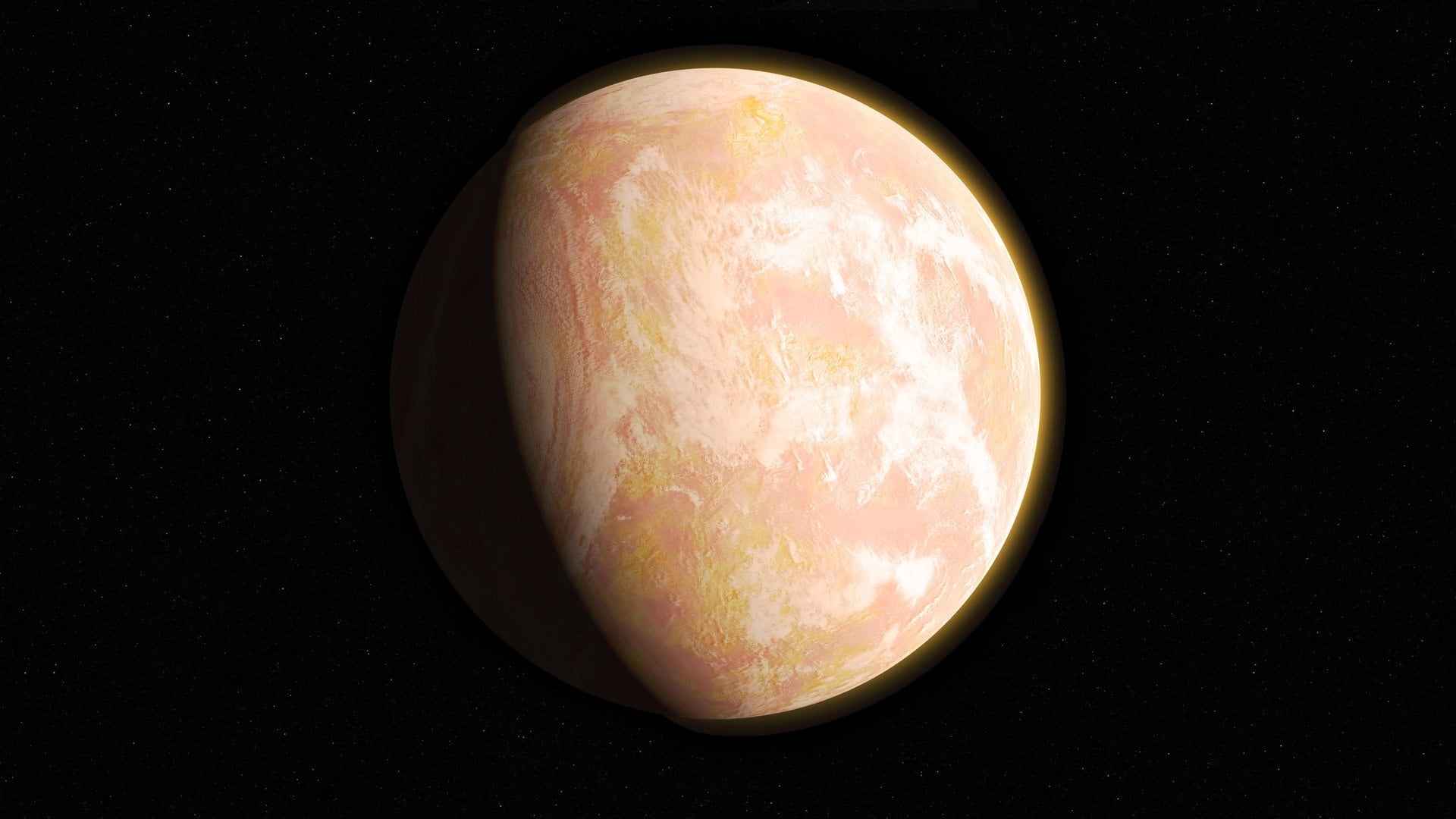
A Tokyo-based astrobiologist is using an ingenious new way to garner insight into Earth’s 3.5-billion-year-old biosphere.
Universe Today
Go to Source
Astrobiologist Uses Apollo Lunar Samples As Mirror Onto Early Earth
A Tokyo-based astrobiologist is using an ingenious new way to garner insight into Earth’s 3.5-billion-year-old biosphere.
Universe Today
Go to Source

