Ancient Martian River Channel Yields Complex Organics
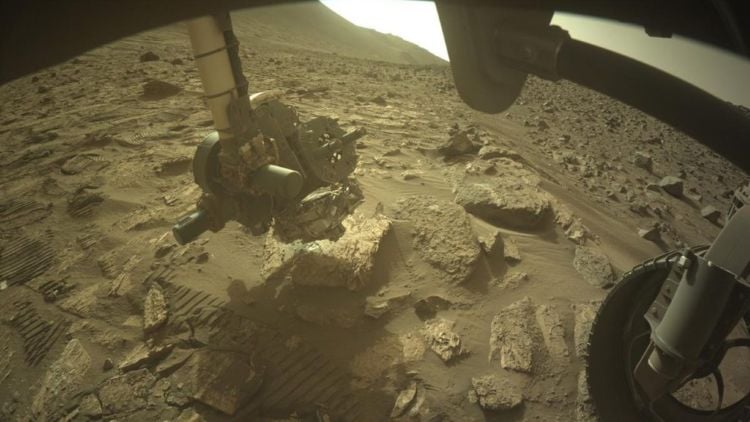
Jezero Crater on Mars is a 45-kilometer-wide (28-mile) crater that once hosted a lake billions of years ago fed by two distinct river valleys with Jezero eventually forming an exit channel over time. One of Jezero’s most prominent features is the massive river delta that consists of sediments that were deposited as the inflow slowed down. Researchers hypothesize that the delta and lake were formed under freshwater conditions, indicating the potential for life as we know it, also called biosignatures.
Universe Today
Go to Source


Comments are closed, but trackbacks and pingbacks are open.